What Is Vehicle Servicing?
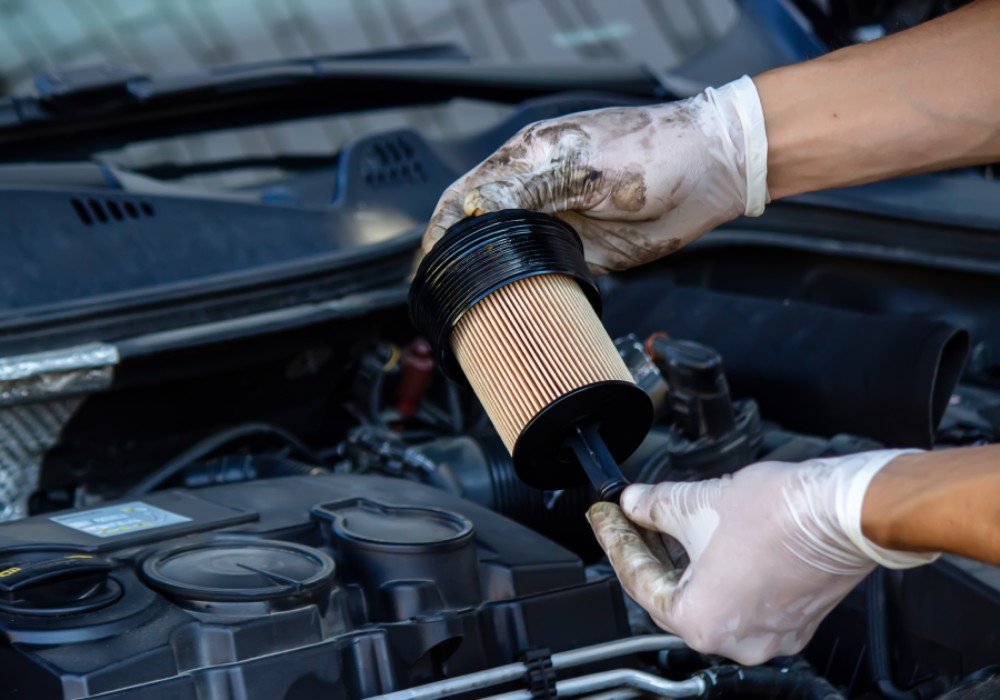
Vehicle servicing is routine maintenance designed to keep your car running safely and efficiently. We schedule different types of services “Interim, Full, and Major ” based on mileage or time intervals to detect and fix issues before they cause breakdowns
Why Is It Important?
Regular servicing preserves engine health, improves fuel economy, maintains safety, and protects your manufacturer warranty. The Society of Motor Manufacturers and Traders (SMMT) confirms that serviced vehicles have better reliability and higher resale values.
According to the UK Department for Transport (DfT), around 16% of road accidents in the UK are attributed to mechanical faults, many of which regular servicing could prevent. Neglecting essential maintenance significantly increases the risk of vehicle breakdowns or failures on the road.
Service Comparison Table Explained
Service Details
| Service Item | Interim Service | Full Service | Major Service |
|---|---|---|---|
| Intervals | 6 Months or 6,000 miles | 12 months or 12,000 miles | 24 months or 24,000 miles |
| Number of Checks | 25 | 40 | 60 |
| Parts Included | |||
| Engine Oil | |||
| Oil Filter | |||
| Air Filter | |||
| Pollen Filter | |||
| Top-ups Included | |||
| Windscreen additive | |||
| Coolant | |||
| Brake Fluid | |||
| Power Steering Fluid | |||
| AdBlue (Diesel engines only – extra cost if needed) | |||
| General Checks | |||
| External lights, instrument warning lights and horn operation | |||
| Internal / Vision Checks | |||
| Door, bonnet and lock operation | |||
| Operation and condition of windscreen wipers and washers | |||
| Pollen filter condition and advise if replacement needed (extra cost) | |||
| Air conditioning system operation | |||
| Windscreen for cracks and chips | |||
| External and internal mirror condition | |||
| Number plate condition | |||
| Seat belt operation | |||
| Engine Checks | |||
| General oil leaks and advice | |||
| Antifreeze strength and advise if replacement needed (extra cost) | |||
| Radiator and coolant hoses condition and leaks (including header tank) | |||
| Radiator cap | |||
| Electrical coolant fan (if applicable) | |||
| Auxiliary drive belts (NOT timing belt) condition and tension | |||
| Fuel system and tank (if visible) | |||
| Timing belt replacement intervals and advise | |||
| Change spark plugs dependant upon age and mileage (extra cost) | |||
| Fuel filter replacement dependant upon age and mileage (extra cost) | |||
| Brakes Checks | |||
| Brake fluid condition and advise if replacement needed (extra cost) | |||
| Visual check of brake pads for wear | |||
| Visual check of brake discs for wear | |||
| All visible brake pipes and hoses | |||
| Hand brake operation | |||
| Brake callipers for leaks and security | |||
| Wheels and Tyres Checks | |||
| Tyre condition and tyre depths | |||
| Tyre pressure and adjust | |||
| Steering and Suspension Checks | |||
| Road springs | |||
| Steering/suspension components | |||
| Steering rack gaiters condition | |||
| Shock absorber condition | |||
| Wheel bearings | |||
| Exhaust Checks | |||
| Exhaust smoke (diesel) | |||
| Exhaust condition and advise | |||
| Drive System Checks | |||
| Check drive shaft gaiters for security and report leaks | |||
| Clutch operation | |||
| Clutch fluid level (if applicable) | |||
| Transmission oil leaks | |||
| Final Checks | |||
| Reset vehicle service light where applicable | |||
| Stamp Service Book | |||
Interim Service: Focuses on essential maintenance such as engine oil and filter changes, tyre pressure checks, and top-ups. Best for shorter intervals (6 months or 6,000 miles).
Full Service: Includes everything in an interim service plus additional filter replacements (air and pollen) and more detailed inspections every (12 months or around 12,000 miles).
Major Service: Comprehensive maintenance including fuel filter, spark plugs, carbon cleaning, AC sanitisation, brake fluid, and coolant flush, as well as a car wash. Recommended every (2 years or 24,000 miles).
The Comparison table helps you understand what each service type includes and why following the recommended schedule protects your vehicle and wallet.
How Can We Help?
At One Stop Auto Centre, we have completed over 15,000 services, we offer bespoke maintenance plans tailored to your car’s needs. We use manufacturer-approved parts and provide detailed service reports. Our team checks everything from tyre pressure to service light resets. Plus, our free service reminders ensure you never miss an appointment.
Supporting Stats and References
- Accident Cause: 16% of UK road accidents are caused by mechanical failures linked to poor maintenance (DfT)
- Effect: Issues like brake failure and engine problems increase the risk of collisions and lead to costly repairs
- Reference: Department for Transport – Reported Road Casualties